

The mask has a certain filtering effect on the air entering the lungs. When respiratory infectious diseases are prevalent, the working effect in dust and other polluted environment is very good.
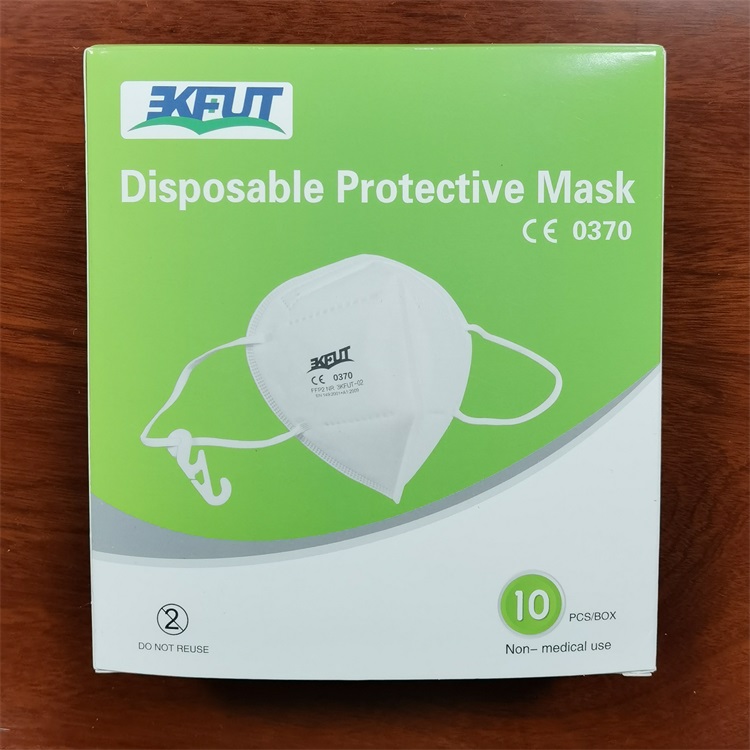
Dust prevention efficiency.
The dust blocking efficiency of the mask is based on its blocking efficiency against fine dust, especially respiratory dust below 2.5 microns. Because the dust with this particle size can directly enter the alveoli, it has a great impact on human health. The dustproof principle of gauze mask is mechanical filtration, that is, when dust collides with gauze, it will block some large particles of dust in the gauze through layers of barriers. For some small dust, especially dust below 2.5 microns, enter the respiratory system through gauze mesh. The filter material of the dust mask is activated carbon fiber felt pad or non-woven fabric. In the process of filtering air through this filter material, it will block inhalable dust less than 2.5 microns.
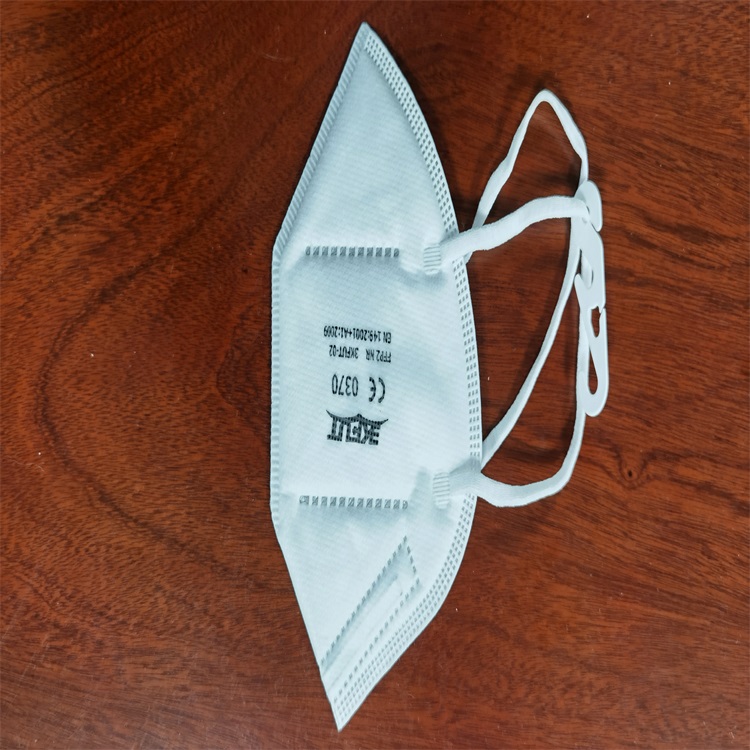
Masks should be cleaned and disinfected every day. Gauze masks and air filter masks can be disinfected by heating. The specific methods are as follows:
1. Cleaning.
First gently rub the gauze mask with warm water and soap, gently brush the bowl mask with a soft brush dipped in detergent, and then wash it with clean water. Please be careful not to rub hard, because if the warp and weft gap of gauze is too large, the effect of preventing droplets will be lost.
2. Disinfection.
Soak the cleaned mask in 0.02 ch3coooh solution for 30 minutes, or boil it in boiling water for 20 minutes, or steam it in a steamer for 15 minutes, and then dry it for standby. This method is suitable for gauze masks and bowl masks.
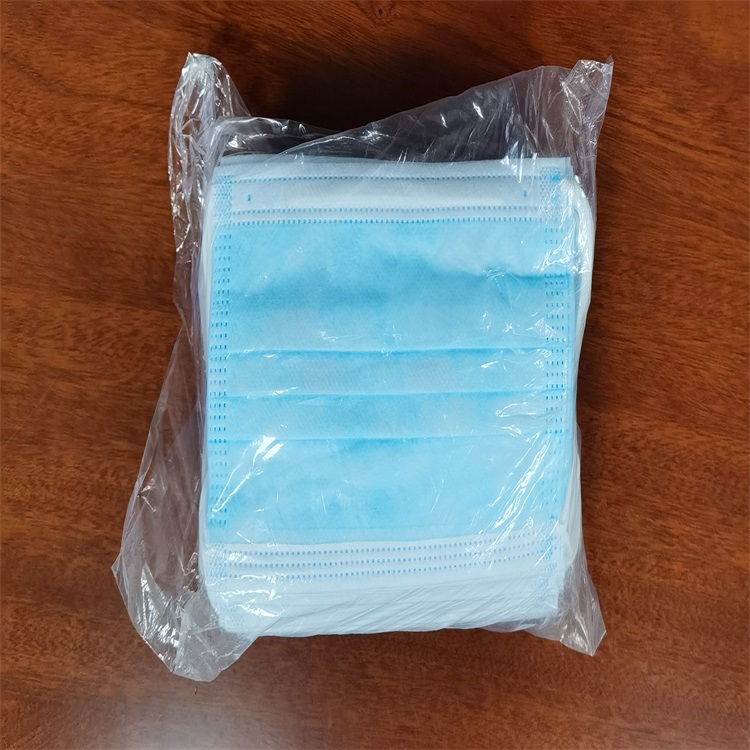
Before reuse, carefully check whether the mask and mask are still intact. Gauze masks and masks can adopt the light transmission inspection method, that is, take care in front of the lamp to see whether there are obvious light spots and whether the light transmittance of the middle part and the edge part are consistent. If in doubt, they should be replaced with new ones. In any case, masks and masks are usually updated after cleaning 3 to 7 times, and masks with particularly good quality can be cleaned 10 times. The activated carbon interlayer shall be replaced regularly for the activated carbon adsorption mask. If the activated carbon interlayer cannot be replaced, it should be replaced within 7 to 14 days. This mask cannot be reused after cleaning.